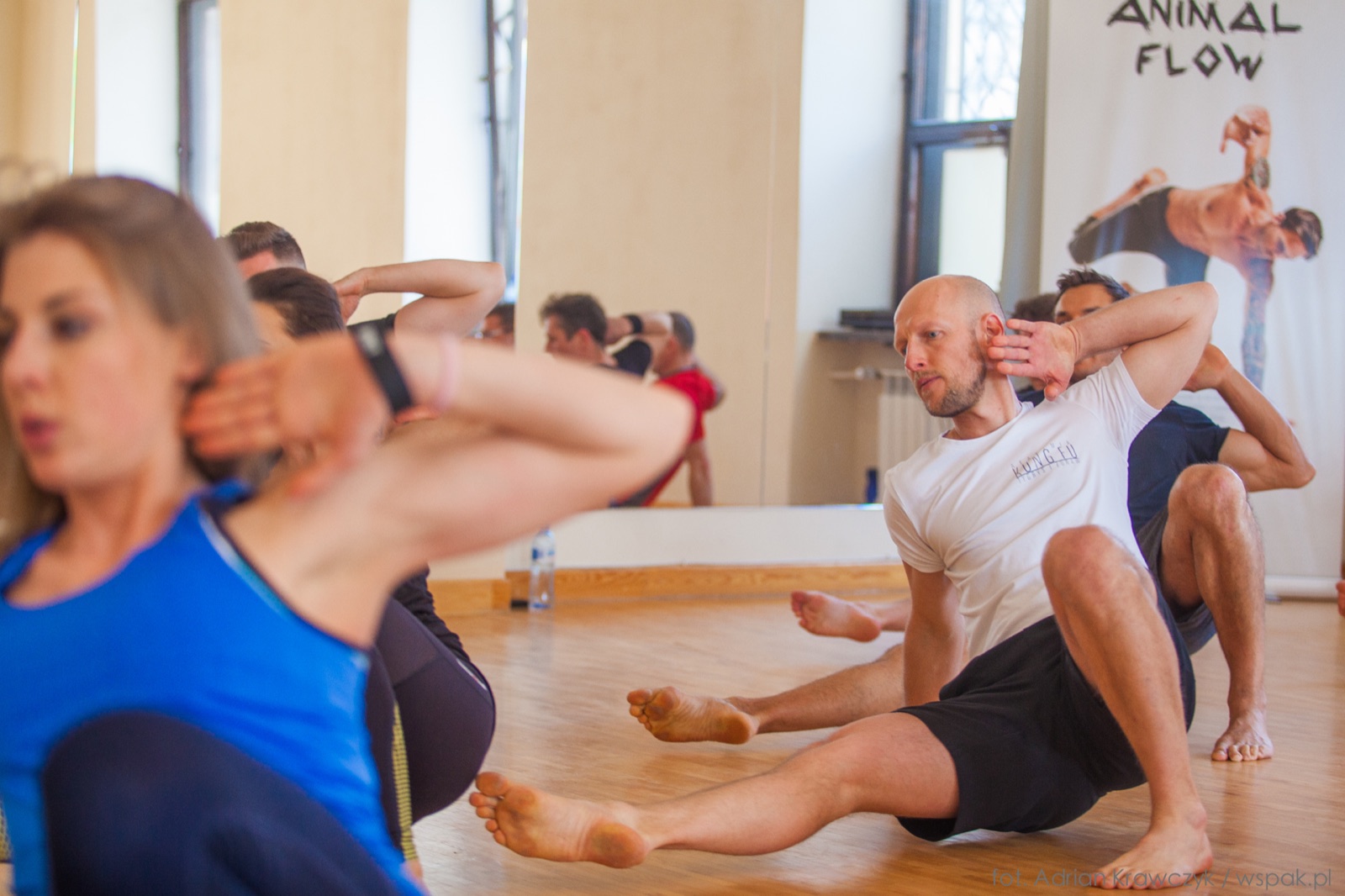
Animal Flow is a revolutionary bodyweight exercise system gaining global popularity for its ability to improve flexibility, core strength, and full-body movement capacity.
Among its many foundational exercises, the Ape Reach stands out as one of the most essential movements for opening tight joints and building lower-body stability. Below, we dive straight into how to perform the Ape Reach, followed by a complete guide to the Animal Flow system.
1. Featured Exercise: How to Perform the “Ape Reach”
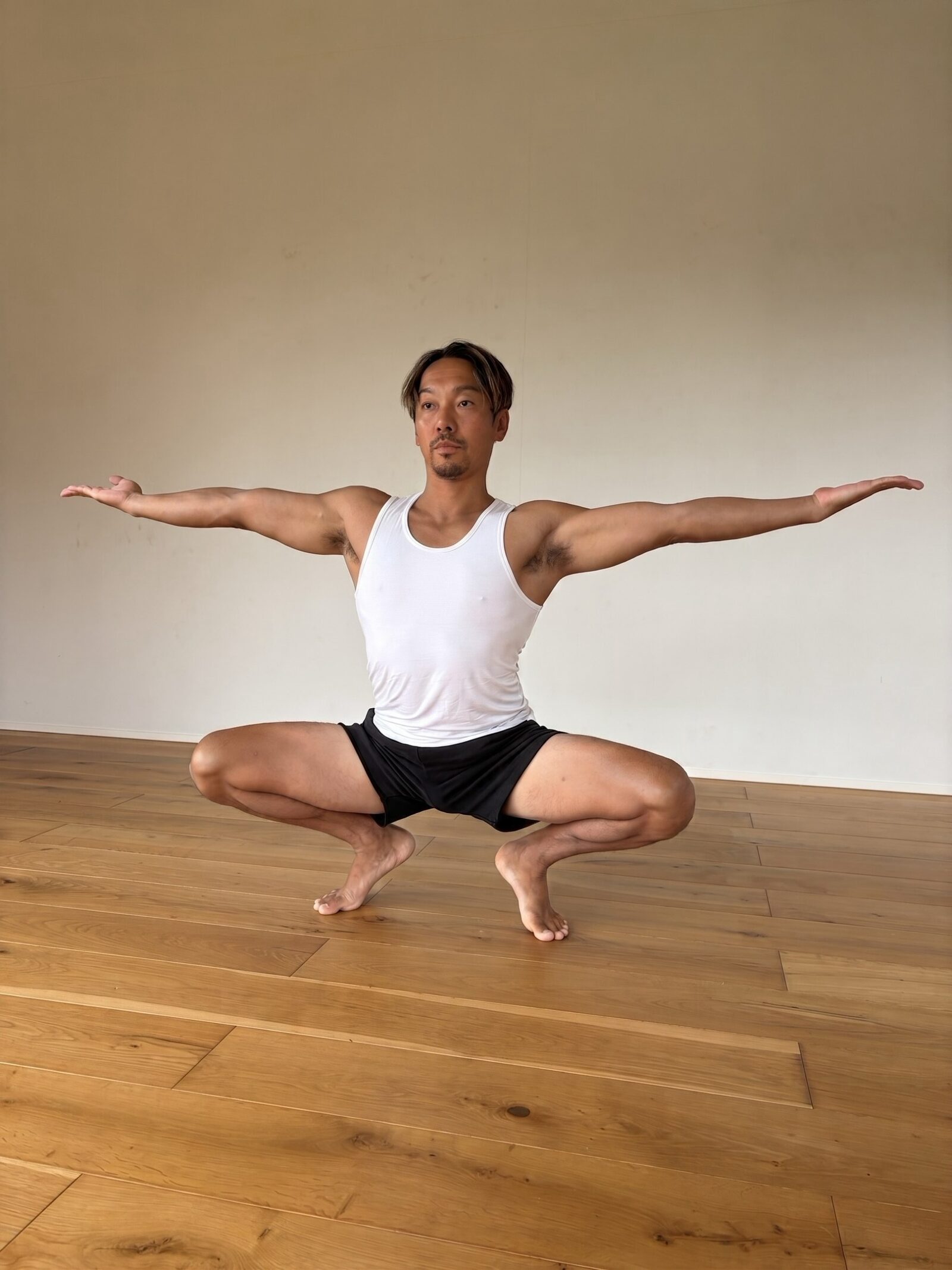
The Ape Reach is a core “Form-Specific Stretch” in Animal Flow. Designed to mimic the posture of an ape extending its limbs, this movement opens up the thoracic spine (upper back) and hip flexors while building strong, stable legs—making it an ideal stretch for anyone who spends long hours sitting at a desk.
Step-by-Step Instructions:
- Starting Position (Ape Stance): Stand with your feet slightly wider than shoulder-width apart, with your toes turned slightly outward. Lower your hips down into a deep squat, keeping your feet flat on the floor and your knees open.
- The Reach: Exhale as you extend both arms forward near the floor, rounding your upper back slightly while keeping your core engaged.
- Opening the Body: Drive through your feet to lift your chest, reaching your arms back and outward to fully open your chest, shoulders, hips, and spine.
- Return: Inhale as you control the movement back into the deep squat starting position. Repeat for 5 to 8 controlled repetitions.
2. What is an Animal Flow Workout?
Created by fitness educator and movement coach Mike Fitch, Animal Flow is a form of quadrupedal movement training (QMT).
By maintaining four points of contact (hands and feet) on the ground, you replicate the movement patterns of quadrupedal animals—such as apes, bears, and crabs—moving your body in multiple directions and through a wide range of joint angles, without any equipment and using only your own body weight.
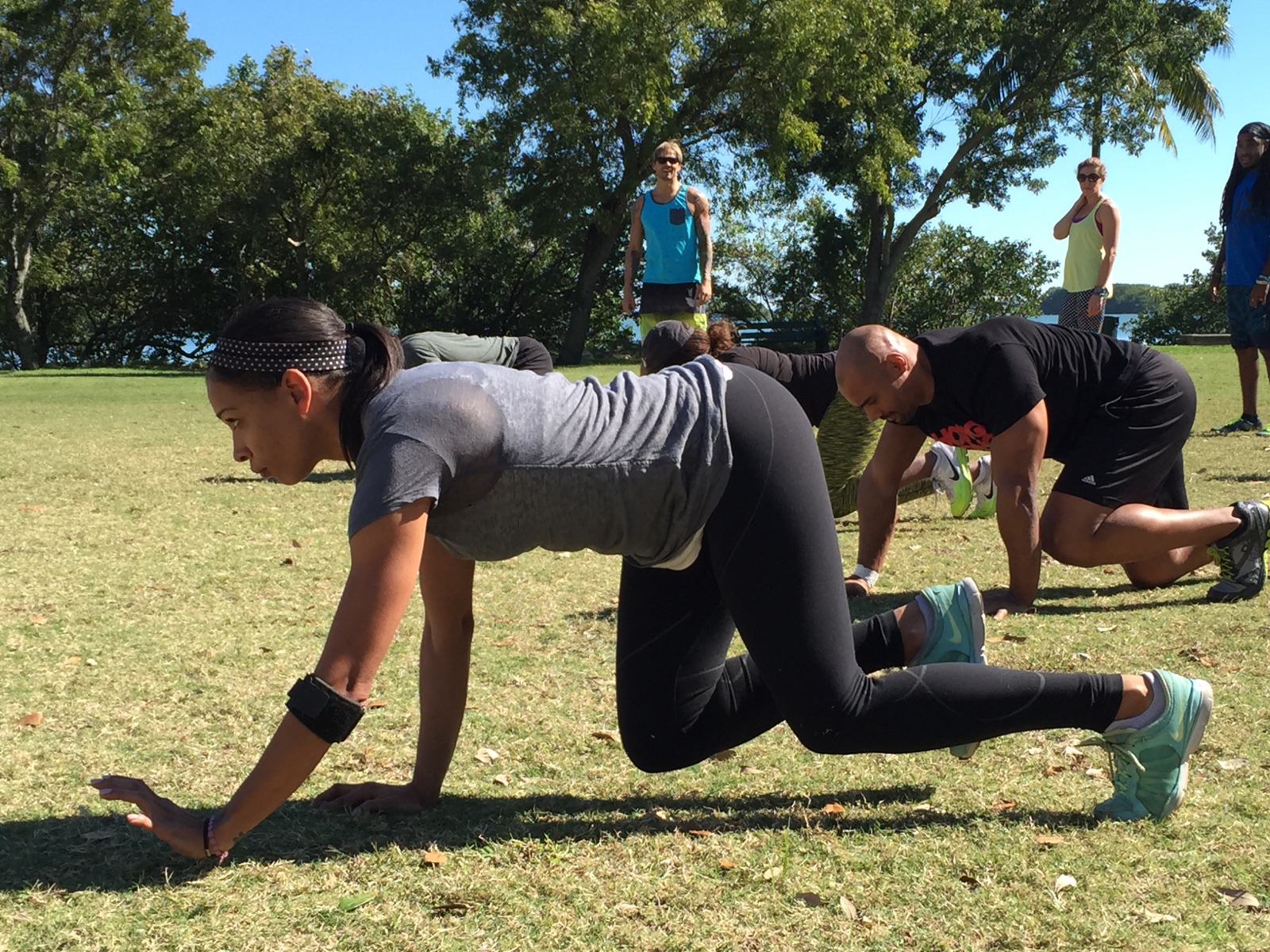
Animal Flow combines six core movement categories to develop flexibility, balance, endurance, and core strength simultaneously:
- Wrist Mobilizations: Dynamic stretches designed to warm up hands and wrists to handle bodyweight loading.
- Activations: Static isometric holds in foundational bases (like Beast or Crab) to wake up muscles and increase body awareness.
- Form-Specific Stretches: Dynamic stretches combining flexibility and stability, such as the Ape Reach, Crab Reach, and Scorpion Reach.
- Traveling Forms: Core locomotion drills imitating animal movements, such as the traveling ape or beast crawl.
- Switches and Transitions: Dynamic movements used to seamlessly connect foundational postures together.
- Flows: The final stage where various positions, stretches, and transitions are linked into a fluid, continuous sequence.
3. Other Essential Animal Flow Techniques
In addition to the Ape Reach, Animal Flow includes several other core exercises designed to enhance full-body mobility and athleticism:
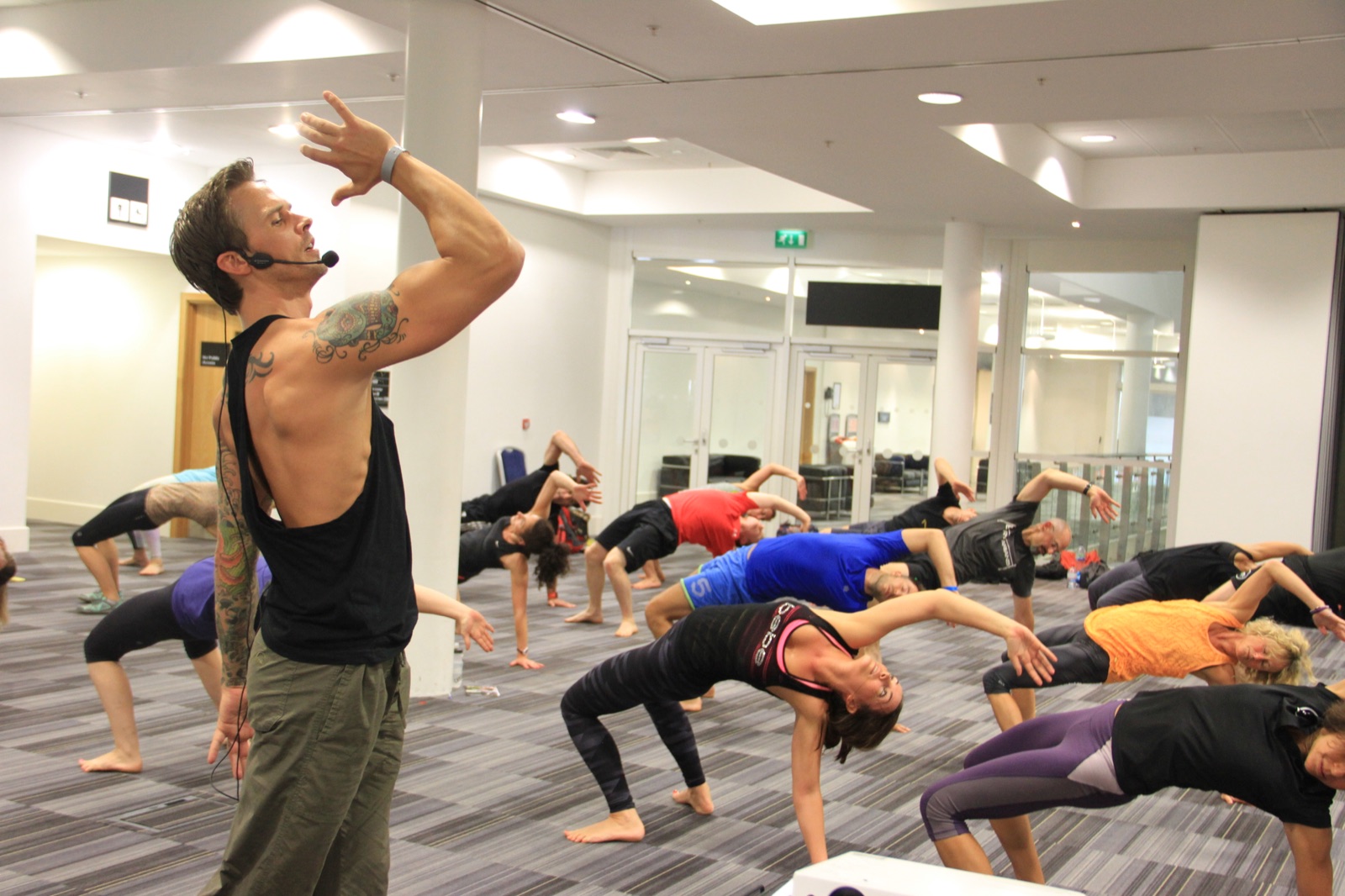
- Crab Reach: Starting from a reverse tabletop position (Crab stance), drive your hips toward the ceiling while reaching one arm diagonally over your body. This opens up the entire anterior chain (chest, abdominals, and hip flexors).
- Underswitch: A dynamic transition move that connects the Crab stance to the Beast stance by rotating your body around your core axis, boosting agility and rotational joint stability.
- Beast Crawl: A locomotion movement performed from a quadrupedal position with knees hovering just a few inches off the ground. Moving opposite hand and foot pairs simultaneously builds incredible core strength.
4. Key Benefits and Getting Started
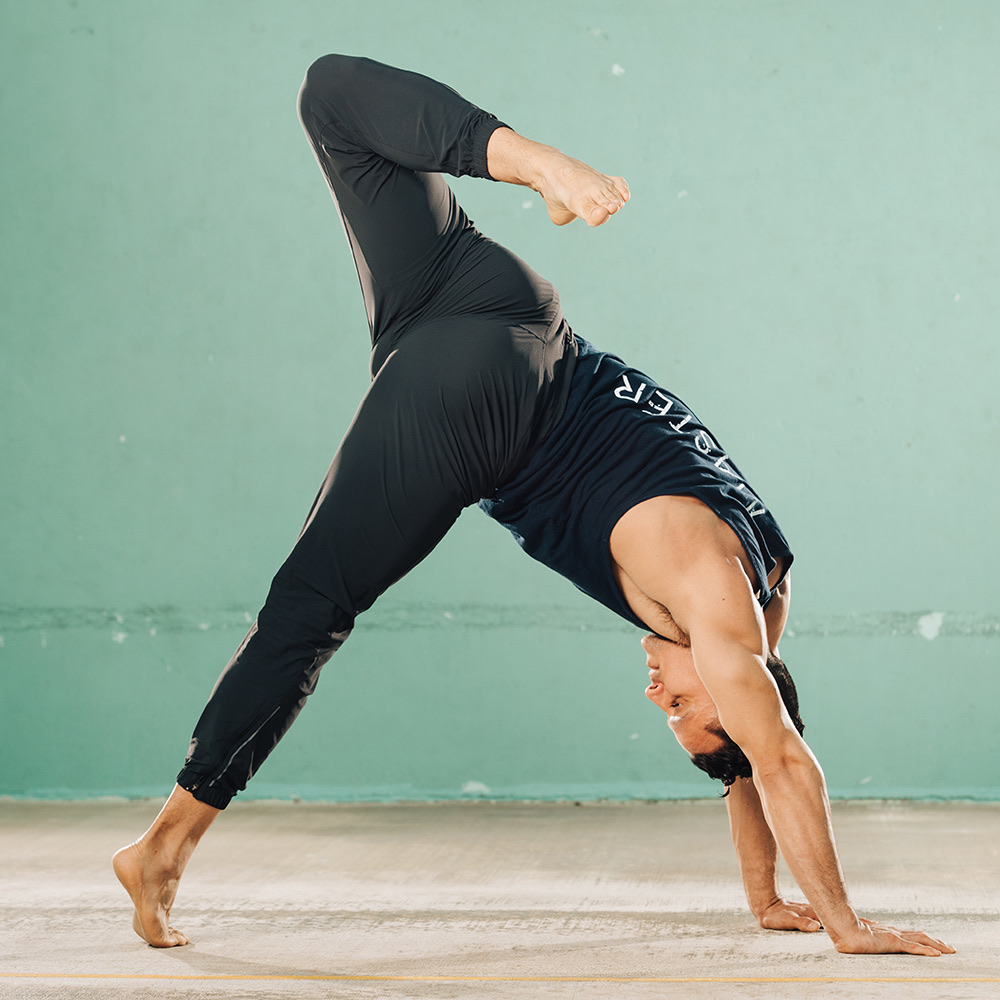
- Enhanced Flexibility & Range of Motion: Multi-directional movements take your joints through their full range of motion, improving tissue elasticity.
- Stronger Core & Balance: Supporting your body weight on one hand or foot activates deep stabilizing muscles that traditional workouts often miss.
- Cardiovascular Endurance: Moving continuously through fluid sequences creates a moderate-to-high intensity workout that burns calories and improves conditioning.
Frequently asked questions
- Do I need any equipment to start Animal Flow?
- No. The system uses only your own body weight and four points of contact with the ground, so a patch of floor about the size of a yoga mat is enough.
- How many repetitions of the Ape Reach should I do?
- Five to eight controlled repetitions, moving with your breath: exhale as you reach forward near the floor, inhale as you return to the deep squat.
- Can I use Animal Flow as a warm-up?
- Yes. Five to 10 minutes before your standard routine is an effective way to improve joint mobility and prevent injuries — start with wrist mobilizations, then a single form-specific stretch.
The bottom line
Animal Flow asks for nothing but your own body weight and a patch of floor, and trains flexibility, balance, core strength, and cardiovascular endurance at the same time. Begin with wrist mobilizations and one movement — the Ape Reach is the natural place to start — add five to 10 minutes of it to the front of your existing routine, and build toward longer flows as your wrists, shoulders, and hips adapt.
References
- Alvarez, M., et al. (2024). "Effects of an 8-week quadrupedal movement training program on joint mobility and dynamic balance." Movement Science Quarterly.
- Okafor, D., & Lindqvist, S. (2023). "Ground-based bodyweight training and proprioceptive performance in recreationally active adults." Journal of Functional Training Research.
- Petersen, H. (2025). "Why crawling is back: a review of quadrupedal exercise trends." Annual Review of Recreational Fitness.